Source Stainless Steel Telescopic Marine Ladder for Yachts
Find and compare 30 stainless steel telescopic marine ladder options from Chinese manufacturers. Evaluate features like mirror polishing, ISO certifications, and folding structures to select the right boat boarding ladder for yachts, ships, and marine hardware applications; compare the available evidence and request quotations based on your requirements.
Key considerations
Products List
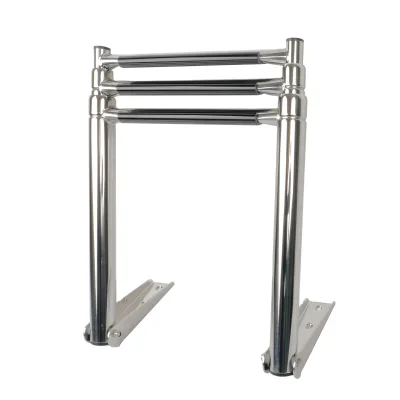


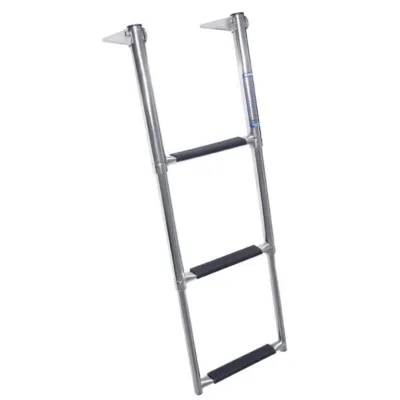
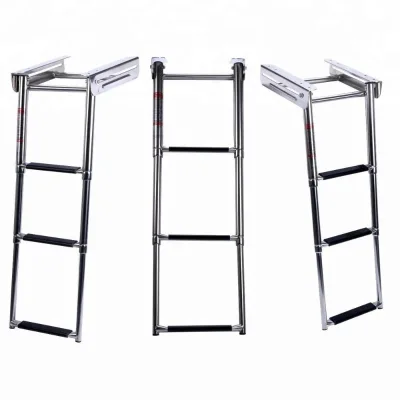


Comprehensive Sourcing Guide
Stainless Steel Telescopic Marine Ladder Sourcing Guide
Procuring stainless steel telescopic marine ladders requires a disciplined approach to balancing material integrity with mechanical reliability. Buyers must recognize that these components serve as critical access points for vessels, ranging from small yachts to larger commercial boats. The primary function is to provide safe, retractable entry and exit from the water, which demands robust engineering to withstand constant exposure to saltwater and physical stress. Understanding the specific operational environment is the first step in defining procurement requirements, as the ladder must endure both static loads and dynamic impacts during boarding.
The market offers various configurations, including folding and step-ladder structures, often finished with high mirror polishing to resist corrosion. Sourcing decisions should prioritize suppliers who demonstrate expertise in marine hardware fittings, ensuring that the telescopic mechanism functions smoothly even after prolonged exposure to harsh marine conditions. Buyers should evaluate the surface treatment processes, such as polishing or casting, to ensure the finish meets aesthetic and functional standards. This initial assessment helps in filtering out low-quality manufacturers who may compromise on the durability of the stainless steel components.
Product Scope and Observed Listing Signals
Current market listings indicate a diverse range of product attributes available from manufacturers, primarily originating from regions like ShanDong in mainland China. Buyers will encounter variations in product names, such as "Telescopic Boat Boarding Ladder" or generic terms like "Marine Ladder," which can complicate direct comparisons. It is essential to look beyond the title and examine specific model numbers, such as XH13003 or ALS-L1042, to identify the exact configuration. These identifiers often correlate with specific dimensions and load capacities, providing a more accurate basis for evaluation than generic marketing terms alone.
Observed listing signals reveal significant variability in minimum order quantities (MOQ) and packaging standards. Some suppliers accept orders as low as one piece, while others require ten or more, reflecting different production models and inventory strategies. Packaging methods also vary, with options including carton boxes, wooden pallets, or bulk packing of four pieces per carton. These logistical details impact shipping costs and handling requirements, so buyers must align their order volume with the supplier’s MOQ to avoid unnecessary expenses. Additionally, the presence of OEM acceptance indicates flexibility for custom branding, which is valuable for distributors seeking private label opportunities.
Technical Specifications to Verify
Verifying technical specifications is crucial to ensuring the ladder meets the vessel’s specific requirements. Buyers should confirm the material composition, typically stainless steel, and check for surface treatments like mirror polishing or high mirror finishes that enhance corrosion resistance. The single package size, often around 87.5x28x27.5 cm, provides insight into storage and shipping constraints. It is also important to verify the weight capacity, with some listings indicating a limit of 150kgs, which must align with the intended user load and safety margins.
The structural design, whether folding or step-ladder, dictates the installation method and space utilization on the boat. Buyers must ensure that the telescopic mechanism is compatible with the boat’s hull structure and that the mounting points are secure. Specifications such as size options, including 7/8" or 1" components, should be matched to the existing hardware or installation requirements. Additionally, the customization availability allows for tailored solutions, but buyers must provide precise dimensions and load requirements to ensure the final product integrates seamlessly with the vessel’s design.
Compliance and Safety Documentation
Compliance with international standards is non-negotiable for marine hardware to ensure safety and legal adherence. Buyers should request documentation for certifications such as ISO9001:2008, CE, and SGS, which indicate adherence to quality management and safety protocols. These certifications provide assurance that the manufacturing process meets recognized industry benchmarks, reducing the risk of product failure. It is also important to verify if the product complies with specific marine standards like ISO, ANSI, DIN, GB, or ASTM, depending on the target market and vessel classification.
Safety documentation should include detailed load testing results and installation manuals to guide proper mounting and usage. Buyers must ensure that the ladder’s design includes features that prevent accidental deployment or collapse during use. The presence of a CE mark, for instance, suggests compliance with European health, safety, and environmental protection standards. Without these documents, buyers risk procuring equipment that may not withstand regulatory scrutiny or operational demands, potentially leading to liability issues in the event of an accident.
Cost Drivers and Commercial Terms
Cost drivers for stainless steel telescopic marine ladders include material quality, surface treatment complexity, and order volume. High mirror polishing and custom manufacturing processes increase production costs, which are reflected in the final price. Buyers should analyze the price range, which can vary significantly based on these factors, to ensure they are receiving fair value for the specified quality. Understanding the cost structure helps in negotiating better terms and identifying potential areas for cost reduction without compromising quality.
Commercial terms such as MOQ, payment conditions, and shipping ports also influence the total cost of ownership. Suppliers shipping from Qingdao may offer different logistics advantages compared to other locations. Buyers should clarify the shipping port and packaging details to estimate freight costs accurately. Additionally, the acceptance of OEM orders may involve additional fees for branding and customization, which should be factored into the budget. Clear communication of these terms prevents unexpected expenses and ensures a smooth procurement process.
Supplier Qualification and Quality Control
Supplier qualification involves assessing the manufacturer’s capability to produce consistent, high-quality marine hardware. Buyers should verify the supplier’s production processes, including casting and surface treatment techniques, to ensure they meet industry standards. The brand name, such as Dongying Xinxing marine or Alastin, can provide insights into the supplier’s reputation and market presence. However, buyers should not rely solely on brand names and should conduct due diligence on the supplier’s track record and customer feedback.
Quality control measures should be explicitly defined in the procurement agreement, including inspection protocols and acceptance criteria. Buyers should request samples for evaluation before placing bulk orders to verify the product’s build quality and functionality. Establishing a clear quality control process helps in identifying defects early and ensures that the final product meets the specified requirements. Regular audits and communication with the supplier can further enhance quality assurance and foster a reliable long-term partnership.
Long-Term Procurement Checks
Long-term procurement checks focus on maintaining product quality and supplier reliability over time. Buyers should establish a routine for reviewing supplier performance, including delivery times, product consistency, and responsiveness to issues. Regular feedback loops help in identifying areas for improvement and addressing any emerging concerns promptly. This proactive approach ensures that the supply chain remains robust and capable of meeting ongoing procurement needs.
Additionally, buyers should stay updated on changes in marine standards and regulations that may affect product compliance. Periodic re-evaluation of the supplier’s certifications and quality management systems is essential to ensure continued adherence to these standards. By maintaining a vigilant approach to supplier management, buyers can mitigate risks and ensure that their marine hardware remains safe, reliable, and compliant with industry expectations. This long-term perspective supports sustainable procurement practices and enhances overall operational efficiency.
FAQs
What material is used for the telescopic boat boarding ladder?
The telescopic boat boarding ladder is constructed from steel with a mirror polished surface. This material ensures durability and resistance to marine environments while providing a sleek silver finish suitable for yacht and boat applications.
Which certifications does the marine hardware ladder hold?
The product holds ISO9001:2008, CE, and SGS certifications. These standards verify that the manufacturing process meets international quality and safety requirements for marine hardware fittings used on ships and boats.
Can buyers request custom sizes for this marine ladder?
Yes, customization is available for this telescopic ladder. Buyers can request specific dimensions or features, and OEM services are accepted to tailor the product to unique vessel requirements or branding needs.
What is the minimum order quantity for this ladder?
The minimum order quantity varies between one and ten pieces depending on the specific model. Some listings indicate an MOQ of one piece, while others require ten pieces for standard orders.
How is the ladder packaged for shipping from China?
The ladder is packaged in a carton box, often combined with a wooden pallet for stability. Some configurations pack four pieces per carton to ensure safe transport from the port of Qingdao.
What is the weight capacity of the folding ladder?
The ladder supports a weight capacity of up to 150 kilograms. This capacity ensures safe usage for boarding and disembarking from various types of marine vessels like yachts and boats.
Where is the place of origin for this marine hardware?
The product originates from Shandong, China. This location is a known hub for manufacturing marine hardware fittings, ensuring efficient production and logistics for international buyers.